

New beef feeds will reduce costs and boost performance
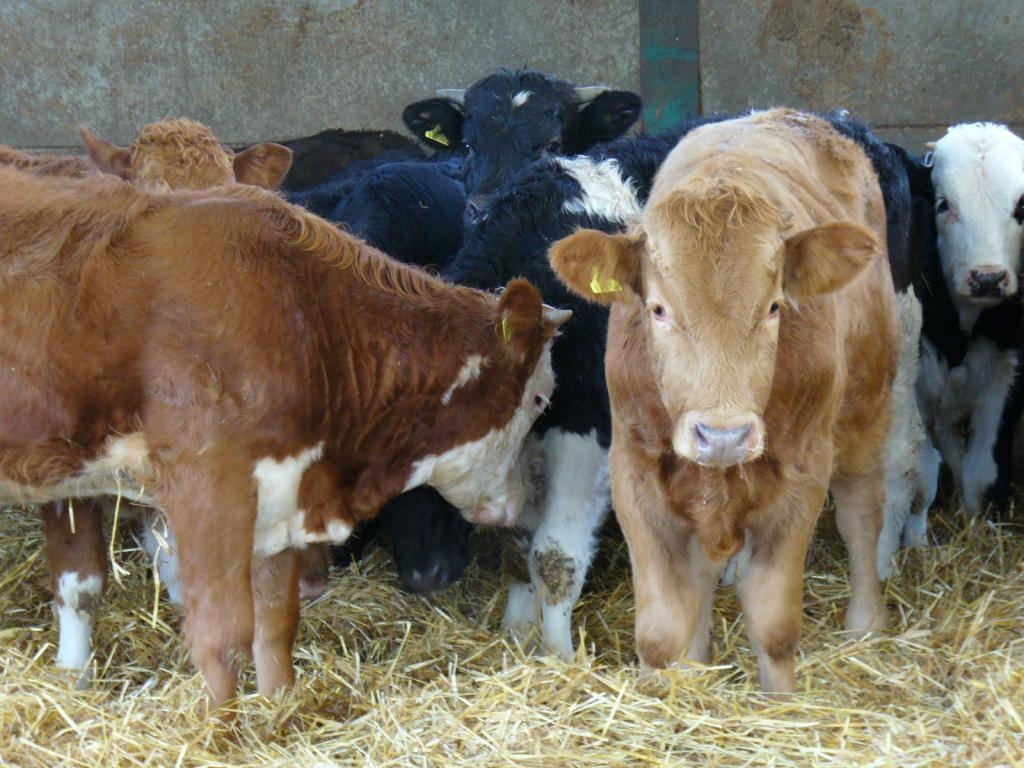
For beef producers wanting better value protein feeds, the new distillers’ feeds due to be produced by the Vivergo Fuels bioethanol plant near Hull will provide a great opportunity to reduce feed costs. According to Trident nutrition manager Dr Michael Marsden, they’ll be ideal for replacing alternative proteins, such as rapemeal, in all beef diets, giving better value and with the advantage of additional energy supply.
“Compared to rapemeal, the Vivergo bioethanol wheat distillers’ feeds are expected to supply 1.9-2.2MJ ME/kg DM more energy,” he highlights. “For a 400kg beef animal fed a ration that contains 15% wheat distiller’s pellet, for example, that’s an extra energy supply of around 3.3MJ ME/day.
“It’s enough to boost growth by maybe around 50g/day, which at a typical beef price of £1.75/kg liveweight works out at around £60 of extra value for every tonne of wheat distillers’ pellets fed.”
Table 1 shows the estimated nutritional specification of the new feeds, which are now expected to arrive towards the end of the year, following recent delays to the final commissioning of the Vivergo production plant. And with firm feed markets and many traditional straights in short supply, demand is expected to be strong.
Table 1 – Estimated specification of Vivergo bioethanol wheat distillers’ feeds (DM basis)
|
Dry pellets |
Moist feed |
Syrup |
|
|
Dry matter (%) |
92 |
30 |
24 |
|
Energy (MJ ME/kg DM) |
13.7 |
14.0 |
14.0 |
|
Protein (% of DM) |
35 |
34 |
30 |
|
NDF (% of DM) |
31.5 |
30 |
10.0 |
|
Starch (% of DM) |
2.0 |
2.2 |
2.0 |
“The high levels of digestible fibre in the pelleted and moist Vivergo feeds will also be ideal balancing the predominantly starch-based diets fed on most intensive finishing systems, and help reduce the risk of acidosis,” adds Dr Marsden. “On top of that, the pellet, moist feed and syrup will all contain yeast fragments left over from the fermentation process. These fragments have been shown to have a beneficial effect on rumen acid production and microbial protein yield, both of which are linked to improved rumen health, feed conversion efficiency and production.
“The result will be even faster growth, as demonstrated by the trial shown in figure 1, where the protein in 1kg FW of rapemeal was replaced using 4kg FW of wheat distillers’ moist feed. Faster growth means quicker finishing, leading to a higher turnover of animals and more potentially finished each year, and that’s great for spreading fixed costs and improving unit profitability.”
Figure 1 – Beef performance improvement when rapemeal is replaced by wheat distillers’ moist feed
The range of feeds available means that it’s possible for beef producers using any feeding system to benefit from this new opportunity, although some will need to adapt their feeding infrastructure. The moist feed and syrup will be of interest to farmers in the north of England and the Midlands where transport costs can be minimised, whilst the dry pellet will be available nationwide. Both the pellet and syrup will be suitable for inclusion in blends.
“Liquid feeds are often overlooked by beef producers, yet the cost hasn’t been affected to the same degree as other protein feed prices this year,” Dr Marsden continues. “ And as well as being a highly cost-effective source of energy and protein compared to more traditional feeds like rapemeal and cereals, for example, they also improve ration palatability, reduce dustiness and minimise sorting, helping to drive feed intakes and increase growth.
“And high protein distillery syrups like the one that’ll be produced by Vivergo are ideal for balancing low protein feeds, as well as providing a protein boost for cereals. For fast growing cattle, and especially lean bulls, this additional protein can be particularly valuable, with the extra energy also helping to ensure animals lay down enough fat to achieve the desired carcase finish.”
Studies in the United States and Canada have shown that beef grower and finisher rations can benefit from inclusion of bioethanol wheat distillers’ feeds at rates of up to 40% inclusion (freshweight basis) without any adverse effect on carcase quality. For UK beef producers looking to balance low protein feeds like maize silage, cereals and potato products, this could be a real opportunity to reduce feed costs.
Table 2 shows Dr Marsden’s recommendations for typical feeding rates when the Vivergo distillers’ feeds become available. And if rations are reformulated to account for the extra energy supply compared to rapemeal, and so maximise feed costs savings, the benefit could be significant.
Table 2 – Typical feeding rates for Vivergo distillers’ feeds (freshweight basis)
|
Vivergo pellets |
Vivergo moist feed |
Vivergo syrup |
|
|
Growing beef |
Up to 2.5kg/hd/day (at up to 40% of DMI*) |
Up to 40% of DMI* |
Up to 4.0kg/hd/day (at up to 15% of DMI*) |
|
Finishing beef |
Up to 5.0kg/hd/day (at up to 40% of DMI*) |
Up to 50% of DMI* |
Up to 7.5kg/hd/day (at up to 20% of DMI*) |
|
Suckler cows |
2.0-4.0kg/hd/day |
5.0-10.0kg/hd/day |
3.0-7.5kg/hd/day |
* DMI = dry matter intake.
For a 400 head finishing beef unit, such savings could add up to around £3,150, based simply on replacing rapemeal over a three-month finishing period.
“The important point is that beef producers interested in using these feeds need to start preparing now,” states Dr Marsden. “With high protein feed prices unlikely to come down any time soon, making more efficient use of better value feeds is the best way to maintain margins. And if there are added benefits in terms of improved growth and faster finishing, that’s a genuine bonus over and above the costs saved.”
Find where to buy
Click on the map to go through to find your local merchant.
