

Early silage analysis is highlighting variable quality
3 September 2014
Favourable growing conditions have meant that many farmers have produced bumper crops of grass silage. However, early analysis results are not as promising as some may expect.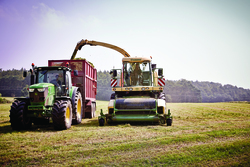
Dr Michael Marsden, Trident Feeds technical manager explains that he has seen numerous silage analysis results indicating that this year’s first cut of silage is worse than that produced in the poor season of 2012.
“Many farmers will be experiencing a combination of low dry matter, low ME and reduced intake factors.” warns Dr Marsden.
Producers may be questioning why their silages are performing in this way. He explains that the mild winter allowed grass to continue to grow, albeit slowly, and therefore it had the opportunity to become more lignified.
“Combining this with variable weather at harvest has meant that typically the silage has a low NDF fraction, representing half of the dry matter. This has resulted in forage that is probably more mature and less digestible,” explains Dr Marsden.
As intake is linked to digestibility, producers may need to feed more concentrates than originally expected to provide rumen and total energy. However, Dr Marsden reminds farmers that this needs to be carefully managed.
“If too much energy is available too quickly, such as from cereals, an excess amount of lactic acid is produced in the rumen. It’s therefore important that, despite low cereal prices, farmers resist the temptation to feed more grain in order to reduce the risks of rumen acidosis, a reduction in feed efficiency and milk performance.
“To provide the most suitable energy source the feed is required to ferment slowly in the rumen. The significant quantity of digestible fibre as energy in sugar beet feed makes it one of the best options available for all dairy, beef cattle and sheep,” he explains.
However, on a more promising note, Dr Marsden acknowledges that analysis of second cut silages are looking stronger with higher dry matter, ME and intake factors. “Perhaps as they are from re-growths,” he states.
“It is clear that feeding sugar beet in a TMR will help balance and compensate for any variations in forage quality,” concludes Dr Marsden.
Trident’s range of sugar beet products comprises of Maxibeet, Supabeet, Supaflow and Molassed Shreds.
Find where to buy
Click on the map to go through to find your local merchant.
