

Alternative protein strategies the key as feed markets remain strong
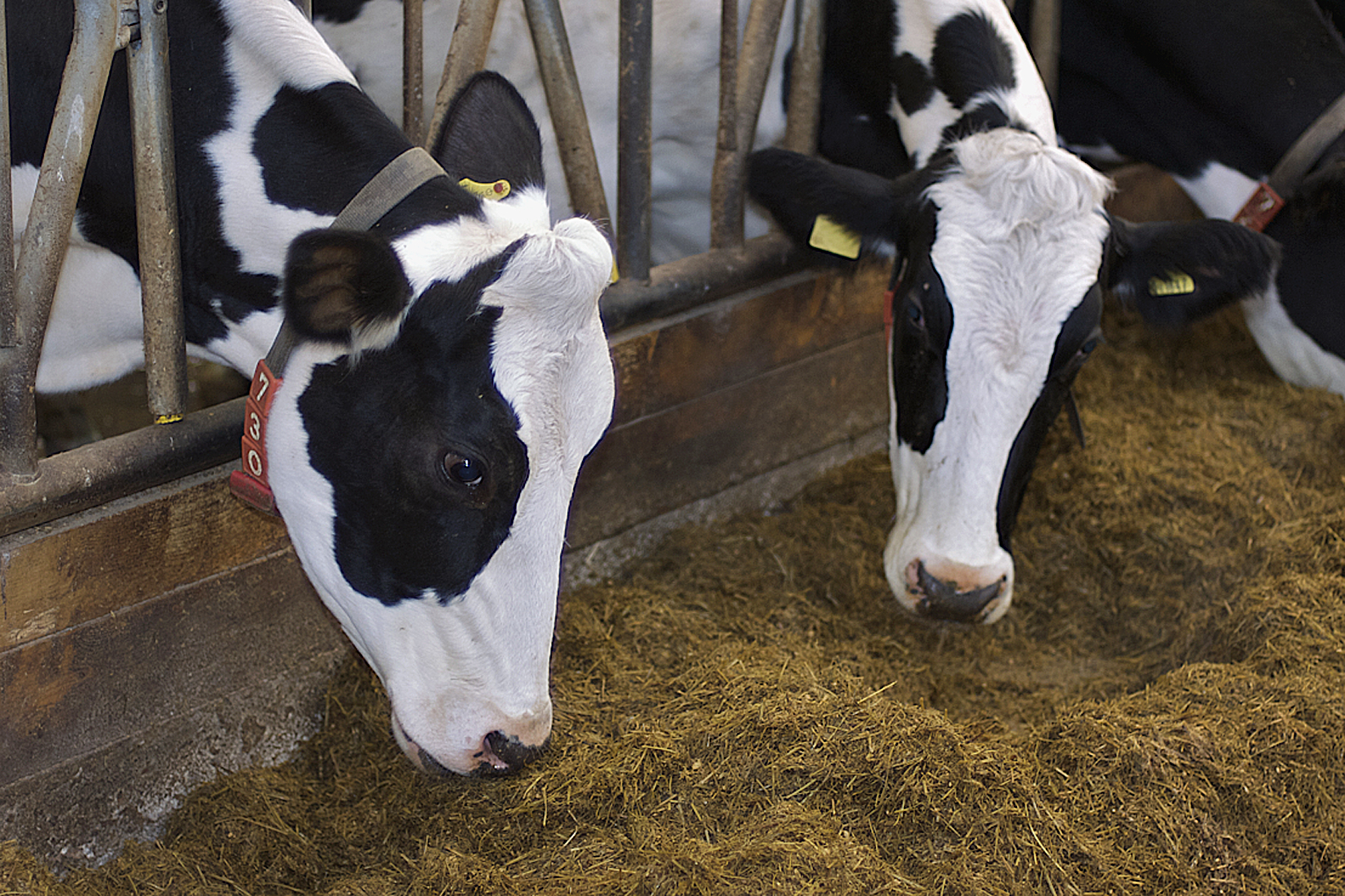
High protein feed prices continue to put margins under pressure. We talk to KW’s Chris Davidson and Trident’s Dr Michael Marsden to find out what’s causing the problem and how to tackle it head-on.
Protein feed prices have remained strong since the start of the year, and there’s no doubt that it’s had a significant impact on milk production margins. The challenge is that the fundamental factors keeping prices high look set to remain in play for some time, so now more than ever is the time when finding strategies to reduce ration protein feed costs should be a top priority.
“On the supply side, there’s been a gradual decline in predicted global soyabean yields in recent months, and it’s become the biggest single factor supporting the protein markets,” explains KW feed specialist Chris Davidson. “Official estimates for the South American soyabean harvest from the United States Department of Agriculture (USDA), for example, put the total crop for Brazil and Argentina at just 107.0 million tonnes (mt), down from 124.5mt a year ago.”
The cost of soyabeans is the major driver for most protein feed prices, with feeds like rapemeal typically tracking any rise or fall in the soyabean meal market. And with global demand from the world’s single biggest importer of soyabeans, China, still looking strong for the coming year, there’s little to suggest the pressure is going to ease any time soon.
“We’ll not know the full picture until harvests are complete, and hopefully we’ll see some good news along the way, but there’s certainly no guarantee that prices won’t remain close to current levels for the rest of the year,” Mr Davidson adds.
But that doesn’t mean there aren’t better value alternatives to rapemeal and soyabean meal, even at current prices. According to Trident technical manager Dr Michael Marsden, there are several other ways to provide the quantity and quality of protein needed to support high milk yields without being fully reliant on expensive protein meals.
“The UK currently imports around 80% of its protein feed requirements, and that makes our livestock industries hugely vulnerable to fluctuations in both price and availability. But there are some great value, high quality protein feeds produced in the UK that can substantially reduce our reliance on these imports.
Dr Marsden’s advice is to think about protein requirements using a ‘bottom up’ approach to the ration, choosing the best value protein feeds at each stage. Those that are best value for supplying crude protein (CP), for example, aren’t necessarily the right choice for the high quality rumen-bypass protein – otherwise known as digestible undegraded protein (DUP) – needed to support high yields.
The forage base of a typical winter ration supplies around 9-14% CP, depending on the combination of forage types used, yet the target for a typical total mixed ration (TMR) or partial TMR is 17-18% CP (DM basis). Dr Marsden suggests starting with the addition of a liquid feed, such as the high protein distillery syrups, which are an extremely cost-effective source of protein.
“We want to include a liquid feed anyway to increase ration palatability, drive intakes, reduce sorting and supply low-cost energy, so choosing one high in protein – particularly when that protein is better value than the alternatives – makes a lot of sense,” he explains. “For example, we can easily add 1.6-1.8 percentage units of CP to our forage base by feeding 3kg freshweight (FW) of Spey Syrup or 5kg FW of bio-ethanol wheat distillery syrup as part of a typical 22kg DM/cow/day ration.
“These high protein syrups can also supply DUP – often more than the ration formulation packages suggest – and contain residual yeast fragments that have been shown to increase the proportion of propionic acid produced in the rumen at the expense of lactic acid. This reduces the risk of sub-acute ruminal acidosis (SARA), so as well as reducing ration cost, we’re also improving rumen function.”
Table 1 shows a cost comparison that highlights the better value CP supply offered by distillery syrups compared to rapemeal. And although rapemeal can be used to add the next ‘layer’ of protein supply, it’s the moist feeds like Vitagold and bio-ethanol wheat distillers’ moist feed that are better value.
Table 1 – Best value sources of crude protein (CP)
|
Price 1 (£/t) |
CP content (g/kg FW) |
CP value (p/100g CP) |
|
|
Dry feeds: |
|||
|
Rapemeal |
£217 |
335 |
6.5p |
|
US maize distillers’ feed |
£215 |
250 |
8.7p |
|
Liquid feeds: |
|
|
|
|
Spey Syrup |
£65 |
134 |
4.9p |
|
Bio-ethanol wheat distillery syrup |
£35 |
72 |
4.9p |
|
Moist feeds: |
|
|
|
|
Vitagold |
£70 |
126 |
5.6p |
|
Bio-ethanol wheat distillers’ moist feed |
£60 |
102 |
5.9p |
|
Brewers’ grains |
£40 |
58 |
6.9p |
1 Prices quoted correct at time of going to press, 29t bulk deliveries Nov-Apr, on-farm within 50 miles of source, prices will vary with load sizes and distance from source.
“Based on typical feed rates, using a mid-protein moist feed can add another 3.5-4.0 percentage units of CP to the ration, with the added bonus of yet more palatability and none of the anti-nutritive factors found in rapemeal,” adds Dr Marsden. “We then need to consider the most cost-effective way to provide the extra ‘top up’ rumen-bypass protein needed to meet the cow’s overall protein requirements.”
Table 2 compares sources of this high quality rumen-bypass protein (DUP) on the basis of cost per unit, rather than cost per tonne. What’s clear is that the specialist rumen-bypass protein supplements like SoyPass may cost more per tonne than the traditional protein meals, but are actually better value per unit of DUP.
Table 2 – Comparative costs of rumen-bypass protein (DUP)
|
Price 1 (£/t) |
DUP content (g/kg FW) |
DUP value (p/100g DUP) |
|
|
SoyPass (rumen-protected soyabean meal) |
£422 |
315 |
13.1p |
|
ProtoTec (heat-treated rapemeal) |
£254 |
150 |
16.9p |
|
Bio-ethanol wheat distillers’ pellets |
£215 |
108 |
19.9p |
|
Hi-pro soyabean meal |
£374 |
183 |
20.5p |
|
Rapemeal |
£217 |
100 |
21.7p |
1 Prices quoted correct at time of going to press, 29t bulk deliveries Nov-Apr, on-farm within 50 miles of source, prices will vary with load sizes and distance from source.
“Another option is to use bio-ethanol wheat distillers’ pellets, feeding 3kg FW/cow/day in place of approximately 3kg FW of a 55:45 mix of soyabean meal and wheat, with a top-up of DUP from SoyPass for the higher yielders,” Dr Marsden continues. “This will supply a similar level of energy, CP and DUP, but with a saving of around £66/t for the soyabean meal:wheat combination, equivalent to 10p/cow/day in the final ration.
“And with the Vivergo Fuels bio-ethanol plant on the outskirts of Hull due to produce more than 500,000t of wheat distillers’ feeds when it comes on-stream this year, it’s a great opportunity for milk producers to rethink protein feed strategies. The result could be lower feed costs, better margins and less reliance on imported feeds.”
Find where to buy
Click on the map to go through to find your local merchant.
